Keir Starmer recently has announced that social media is to banned for under-16’s by spring 2027. In this article I will summarise what the plan is and why, it won’t work.
On paper, the plan is to limit children’s access to websites that allow user-created content. The current focus is on YouTube, Snapchat, TikTok, X, Instagram, and Facebook. Although, this will likely expand to include more websites.
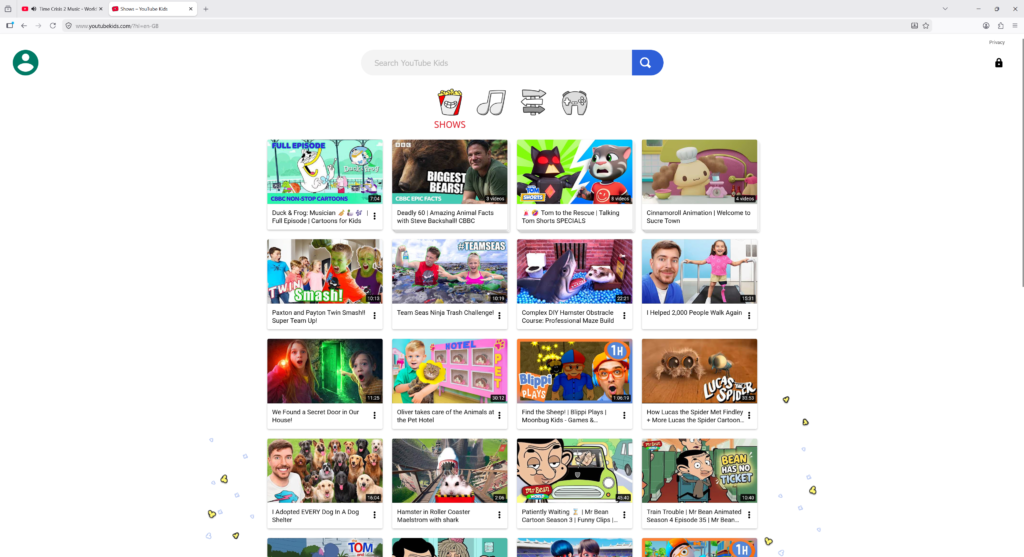
I find the initial list strange, as it blocks YouTube but not YouTube Kids. Whilst YouTube Kids mostly offers modern children’s shows like Peppa Pig. Youtube Kids it isn’t foolproof, so you can still find things that shouldn’t be there. The website also recommends videos by age range. Despite tailoring content to age ranges, I set my age as 9-12 and got recommendations for videos that are for babies.
The social media list is also strange, as it only goes after the main platforms. But it won’t feature rival sites such as Bluesky. Granted, I don’t really use social media, and I have only used Facebook and YouTube from the list so far.
Facebook’s AI is literalistic and is good at flagging harmless things. This includes a harmless post about eating Fruit Loops for breakfast or quoting films can get you in trouble. That can lead to warnings, Facebook jail or even a banned account.
With regard to its objectives, it will fail demonstrably for many reasons. Firstly, the system isn’t foolproof; all it takes is for a parent to create an account on a website in their own name, use their own ID, and give it to their children. Secondly, those who are technologically inclined can get a verified account and use Facebook as they see fit. They can find a verified account, hack it, and claim it as their own.
Outside of technological reasons, it will be catastrophic. For the government, which thinks it is a good idea to enact this act, it will mean saying farewell to Google, YouTube, and other companies that employ people in the UK. The reason they will leave is because they don’t have an interest in creating systems to comply with new laws or face fines of up to £25 million.
If companies leave the UK for business or political reasons and move their premises abroad. As a result of this, the government will get less business and tax revenue. There are also YouTubers and influencers who do pay taxes in the UK. Many of them may decide not to give their ID to companies like Palantir or data collection companies. Alternatively, they can move abroad to continue working, or quit social media, thus reducing tax revenue for the government.
Trying to enact this act is unrealistic, and those who defend it don’t know how technology works. Fundamentally, this act will be a waste of time, as parents can create an account for their children. It will make the UK less attractive to technological businesses.
If anything, this act will make it more dangerous. Having people verify their accounts will not do anything, as people will leave platforms that require it. That will push people towards other sites to avoid mass internet surveillance and invasive technology. This will encourage people to use sites that don’t require any verification but are more unpleasant than current platforms.